
Protect Your Home, Family, and Investment with an Electrical Safety Certificate
Electricity powers almost every aspect of modern life, from lighting and heating to charging devices and running essential household appliances. However, electrical systems can deteriorate over time, leading to hidden faults that may pose serious risks. This is why every homeowner should consider having a regular EICR electrical inspection carried out by a qualified electrician.
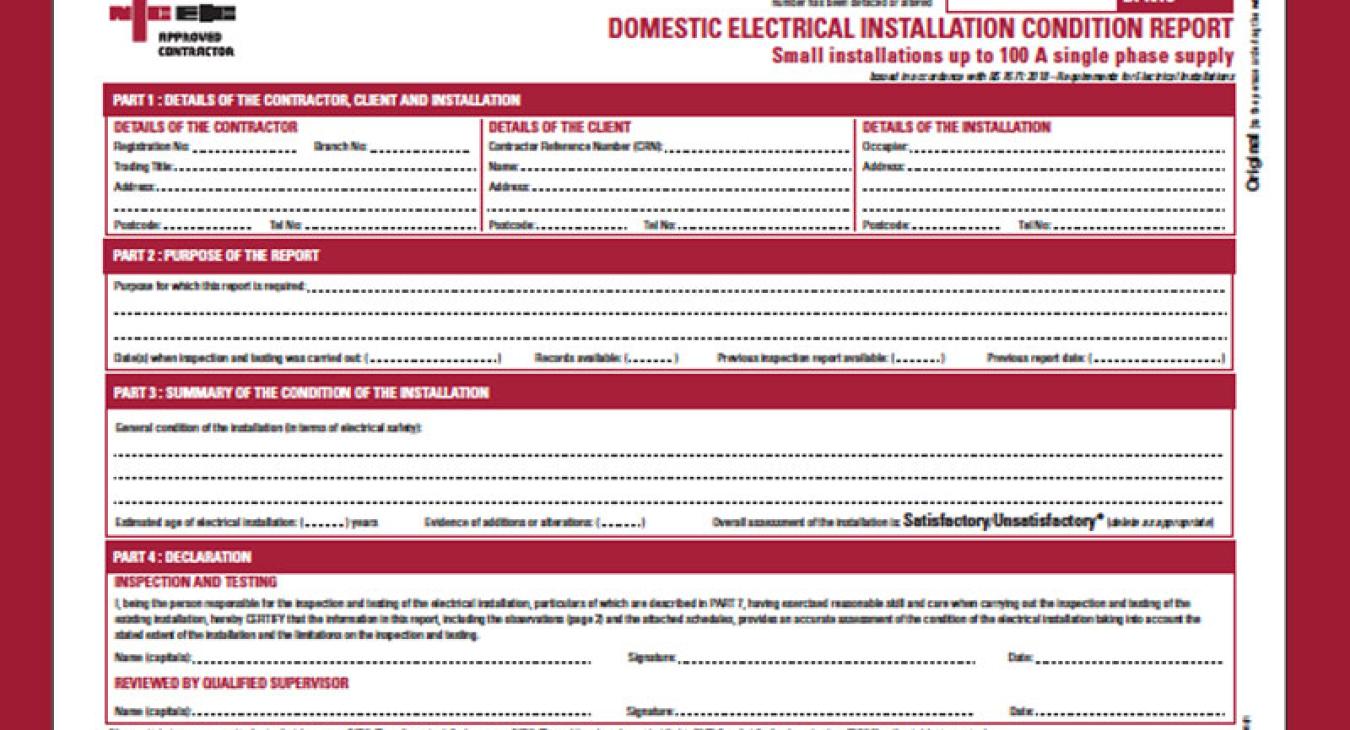
An EICR (Electrical Installation Condition Report) is a comprehensive electrical inspection designed to assess the safety and condition of your property’s fixed wiring. Following the inspection, you’ll receive an electrical safety certificate outlining any observations, recommendations, and confirmation of whether the installation is considered safe for continued use.
What Is an EICR?
An EICR is a detailed report that evaluates the condition of your electrical installation. During the inspection, an electrician will examine:
- Consumer units (fuse boards)
- Electrical circuits
- Wiring systems
- Socket outlets and switches
- Earthing and bonding arrangements
- Safety devices such as RCDs
- Signs of wear, damage, overheating, or deterioration
The purpose of the electrical inspection is to identify defects that could potentially cause electric shock, fire, or electrical failure.
Why Is an Electrical Inspection Important?
Many electrical faults develop gradually and remain hidden until a serious problem occurs. Damaged cables, loose connections, overloaded circuits, and outdated consumer units may not be immediately obvious to homeowners.
A professional EICR electrical inspection helps identify these issues before they become dangerous.
Improved Electrical Safety
Electrical faults are one of the leading causes of domestic fires in the UK. A thorough electrical inspection can uncover hidden defects that may otherwise go unnoticed.
Reduced Risk of Electric Shock
Faulty wiring or inadequate earthing can create dangerous conditions. An EICR helps ensure your installation meets current safety standards and protects those living in the property.
Compliance and Peace of Mind
Landlords are legally required to obtain valid electrical safety certificates for rental properties. Homeowners may not have a legal requirement, but regular inspections provide reassurance that their electrical installation remains safe and reliable.
Protecting Your Investment
Your home is likely your biggest investment. Ensuring the electrical installation is safe and functioning correctly can help prevent costly repairs and maintain property value.
How Often Should an EICR Be Carried Out?
The current recommendations are:
Owner-occupied homes: Every 10 years
Rental properties: Every 5 years or at change of tenancy
Commercial premises: Typically, every 5 years or a yearly maintenance plan shows your insurance company that you are taking regular steps to keep on top of things
Older properties: More frequent inspections may be advisable
If you’ve recently purchased a property and there is no evidence of a recent electrical inspection, arranging an EICR should be one of your first priorities.
What Happens During an EICR?
During the inspection, a qualified electrician will carry out both visual checks and electrical testing.
This includes:
- Circuit continuity testing
- Insulation resistance testing
- Earthing and bonding verification
- RCD testing
- Polarity checks
- Fault loop impedance testing
Once the inspection is complete, you will receive an electrical safety certificate detailing the findings.
Any observations will be categorised as:
C1 – Danger present, immediate action required
C2 – Potentially dangerous, urgent remedial work required
C3 – Improvement recommended
FI – Further investigation required
Common Issues Found During EICRs
Some of the most common faults identified during electrical inspections include:
- Lack of RCD protection
- Outdated fuse boards
- Damaged or deteriorated wiring
- Inadequate earthing and bonding
- Overloaded circuits
- Poorly installed DIY electrical work
- Missing circuit identification labels
Many of these issues can be rectified quickly, helping improve the safety and reliability of the installation.
Why an Electrical Safety Certificate Matters
An electrical safety certificate provides documented evidence that your electrical installation has been professionally inspected and tested.
This can be particularly useful when:
- Selling your home
- Purchasing a property
- Renting out a property
- Satisfying insurance requirements
- Demonstrating responsible property maintenance
Most importantly, it confirms whether your electrical system is safe for continued use.
Book Your EICR with Hawtin Electrical
At Hawtin Electrical, we provide professional EICR electrical inspections for homeowners, landlords, and businesses throughout Oxford and the surrounding areas.
Our detailed electrical inspections help identify potential hazards, ensure compliance with current regulations, and provide you with a comprehensive electrical safety certificate upon completion.
Whether you are buying a new home, managing a rental property, or simply want reassurance that your electrical installation is safe, our experienced electricians are here to help.
Contact Hawtin Electrical today to arrange your EICR and ensure your property remains safe, compliant, and protected.

 Landlord In Cowley & Bicester, Oxford